From high school CPR and elementary school fire safety to firefighter coursework inside a modern LMS, MySafe:LA blends technology, field experience, and storytelling to make training stick.
In public safety, the challenge is not just sharing information. It is creating training that holds attention long enough to change behavior. That is where MySafe:LA and its parent, the Safe Community Project, have built a distinctive role: combining field operations with fire departments, app and LMS development, an award-winning film unit, and course development. Cameron Barrett’s MySafe:LA biography says her work includes oversight and development of educational content, support for clients needing learning-management and training help, and close collaboration with firefighters, educators, and subject matter experts to create much of the organization’s video and educational content.
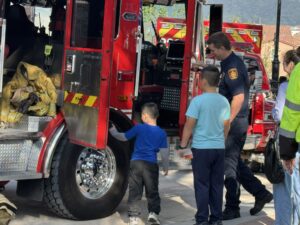
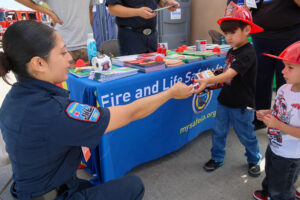
The public-facing side of that work is already wide-ranging. We develop emergency operations plans for museums, libraries, and corporations; hosts public safety fairs where it teaches CPR, bleeding control, and scene safety; teaches hands-only CPR to high school students and the public; and teaches elementary school students about fire safety and earthquake survival. More than 502,000 students had gone through various MySafe:LA programs as of January 20, 2026.
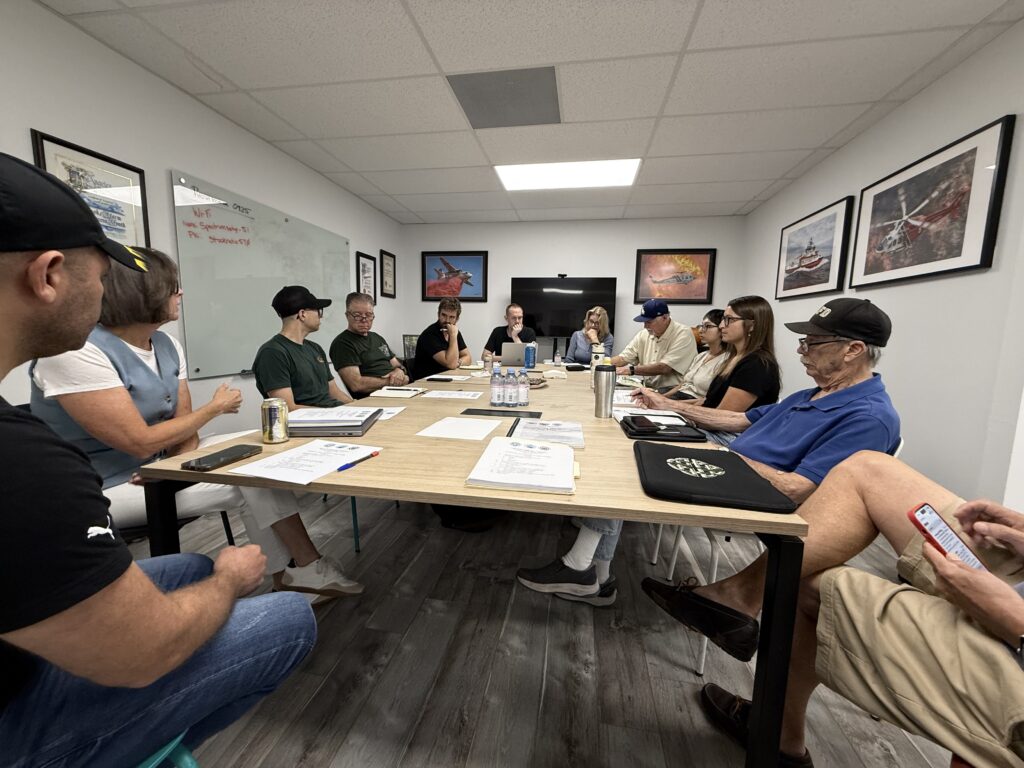
That training is not limited to live presentations. Our certified CPR program uses a blended format that begins online and continues with classroom practical education, and our online FAQ notes that schools can deliver courses through its online learning center, teachers can enroll entire classes, and the education platform is SCORM-compliant with built-in testing.
For the fire service and other professional clients, the work often goes deeper. Our parent, the Safe Community Project notes our course designers have created online training for fire departments and subject matter experts who need a customized deployment model, including LMS support, course content, or both. One clear example came in 2023, when the organization said it was building course content for more than 3,400 Los Angeles City firefighters in support of course author retired Sac Metro Fire Department Battalion Chief Anthony Kastros. For that project, the team captured training examples on video, organized and edited the material, and installed the finished content into the Department’s Vector Solutions LMS. LAFD training pages also link directly to TargetSolutions material and seminars, reinforcing that the platform is part of the department’s training environment.
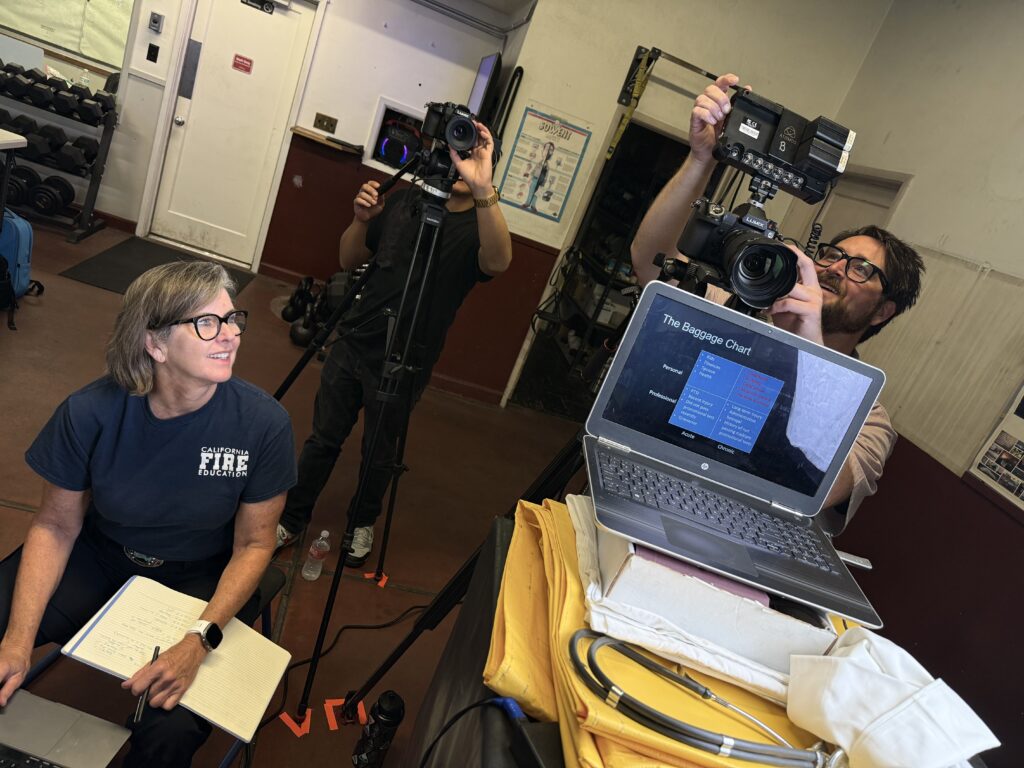
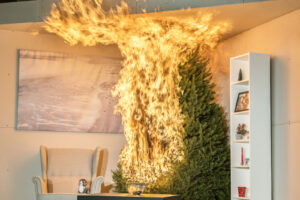
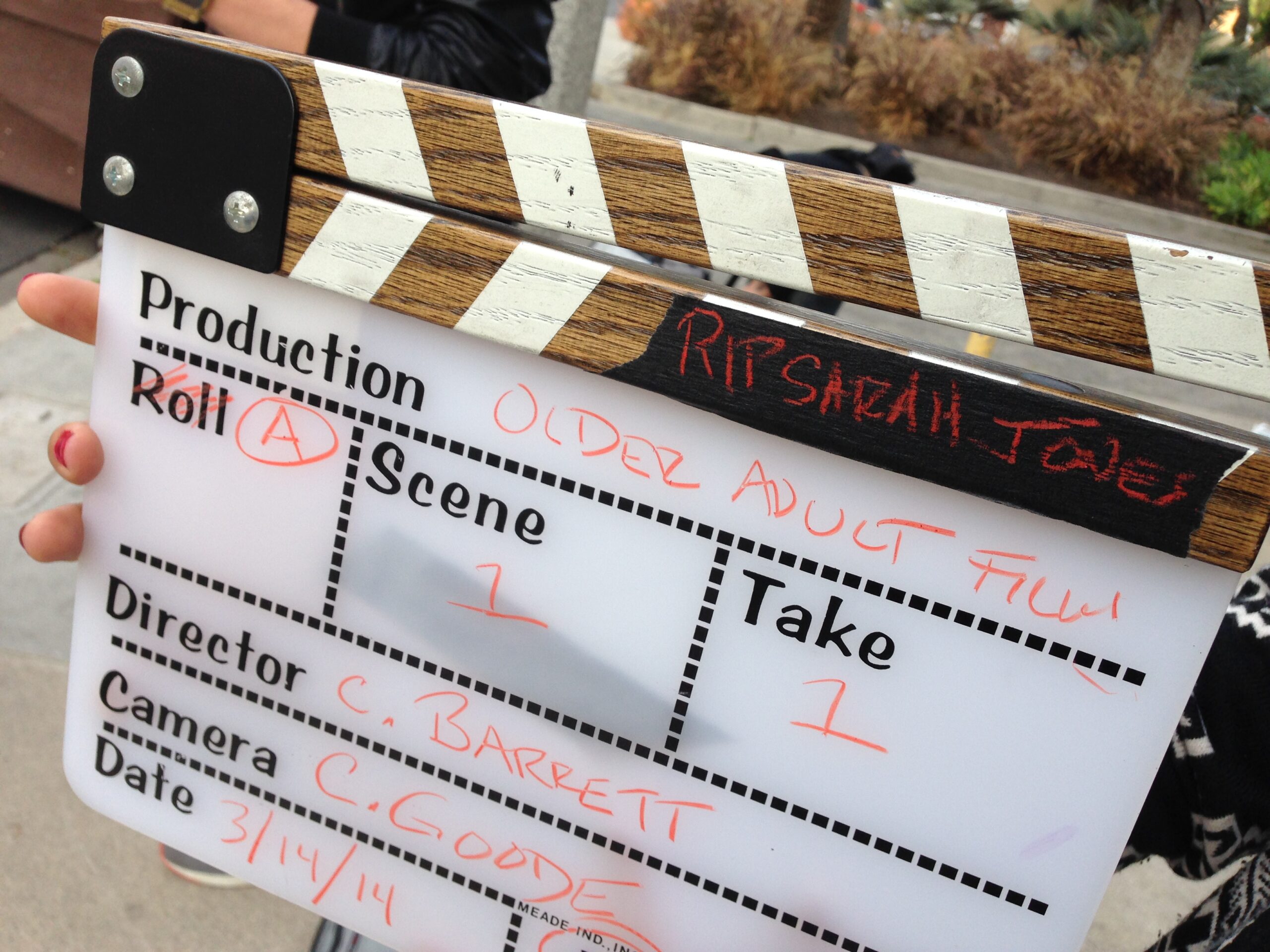
The storytelling side of the operation is just as important as the technical side. MySafe:LA’s Vimeo presence offers a public snapshot of the range: 578 videos and 32 collections, including showcases such as Home Fire Safety and Earthquake Safety, along with channels such as Train Firefighters and Mastering Fireground Command – Calm the Chaos. The Safe Community Project’s video page adds that some training films stay inside client educational environments, while public-facing collections already include award-winning PSAs, smoke alarm safety, home fire safety, and earthquake content.
That helps explain why MySafe:LA can sometimes build an entire course from the ground up and, in other cases, serve as the creative and technical partner behind a subject-matter expert’s curriculum. Train Firefighters says Chief Anthony Kastros has been teaching firefighters for more than three decades and has helped more than 20,000 firefighters nationwide and internationally. MySafe:LA’s own firefighter-course project shows how that collaboration works in practice: the course author brings the operational expertise, and MySafe:LA helps turn it into a polished, usable learning experience.
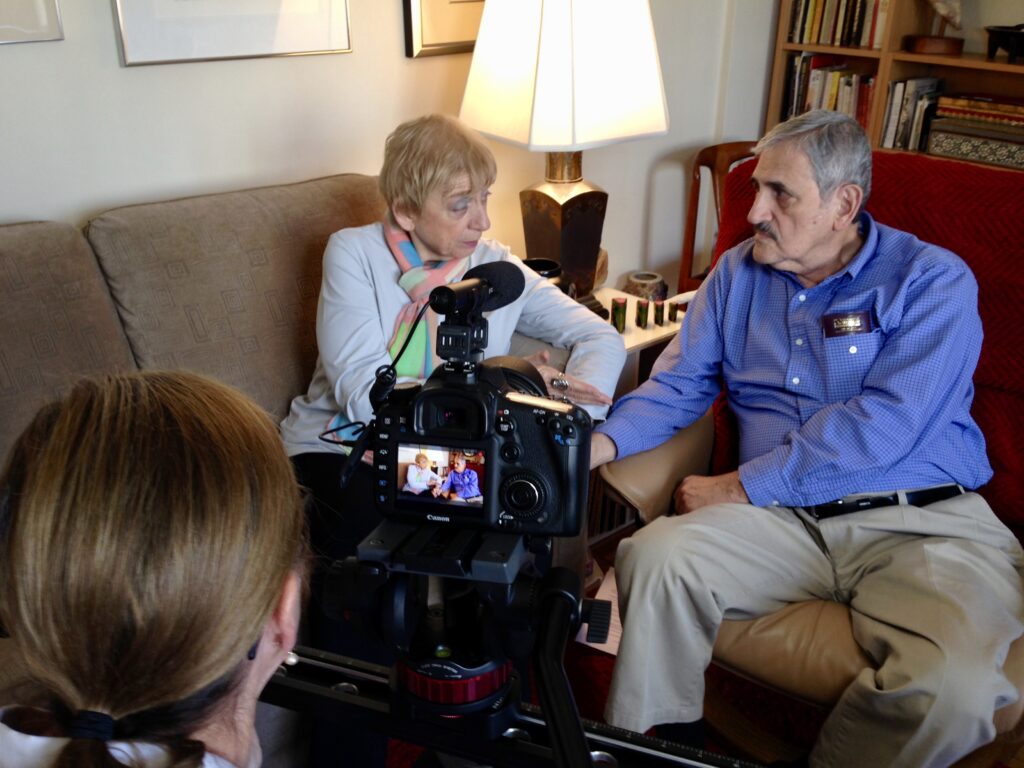
The deeper lesson is that an LMS alone is never the whole story. The Safe Community Project’s professional-development guidance says strong courseware matters more than the delivery platform by itself because engagement, accessibility, structure, and learning outcomes are shaped by the design of the course. At the same time, the organization says it has more than 25 years of LMS experience and can either work inside a third-party system or build a custom, reliable, easy-to-use environment that an agency owns outright. That flexibility matters in public safety: Vector says its fire-service training platform is used by more than 5,000 fire departments, supports an agency’s own videos, PDFs, images, and SCORM courses, and tracks both online and in-person training in one place.
The proof is already visible in our body of work. The Safe Community Project says its in-house film team has won close to 100 awards, and a recent MySafe:LA post noted our production for The Hartford’s Junior Fire Marshal program reached more than 50,000 third-grade students nationwide. The same blend of field knowledge, educational design, and media production has also supported tabletop exercises, CPR certification, school education, and firefighter training.
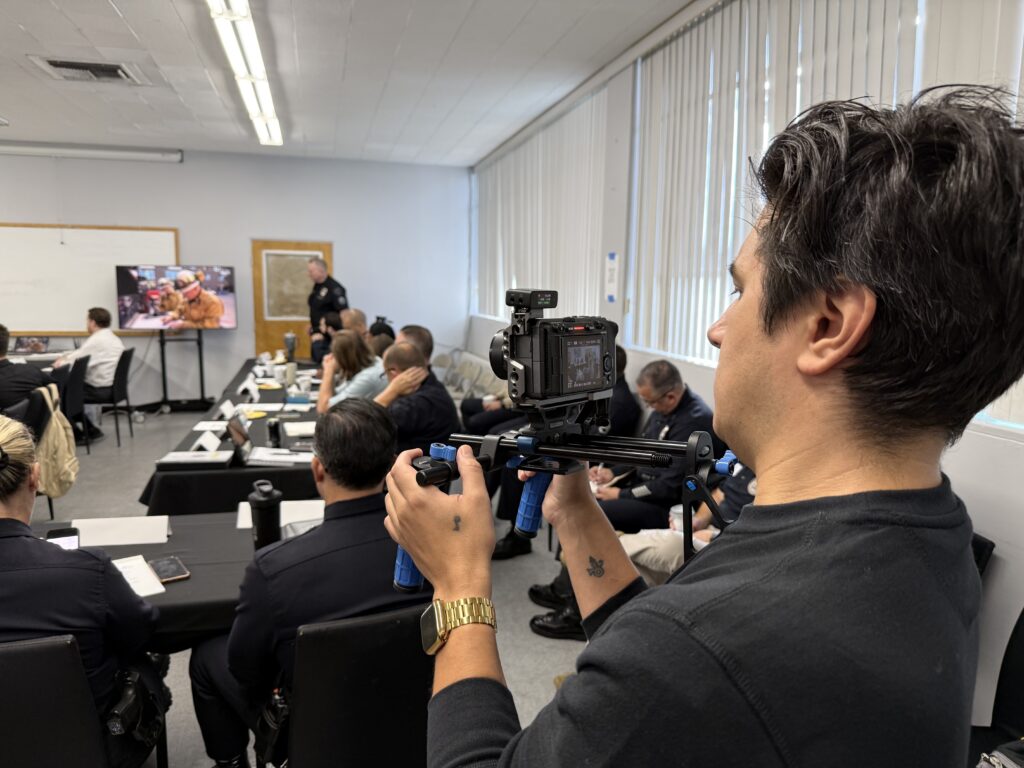
As 2026 moves forward, MySafe:LA looks positioned to grow both its online and in-person training footprint. Its own site says new material is added frequently and new courses are published as they are developed. That feels like the natural next chapter for an organization that has spent years proving a simple point: in safety education, the goal is not merely to inform. The goal is to engage the student, earn attention, and move people to act before the emergency ever begins.