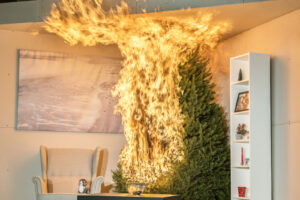
From Pacific Palisades and Altadena to the other fires that broke out across the region that week, the losses remain staggering, the challenges are still real, and the recovery is still moving forward.
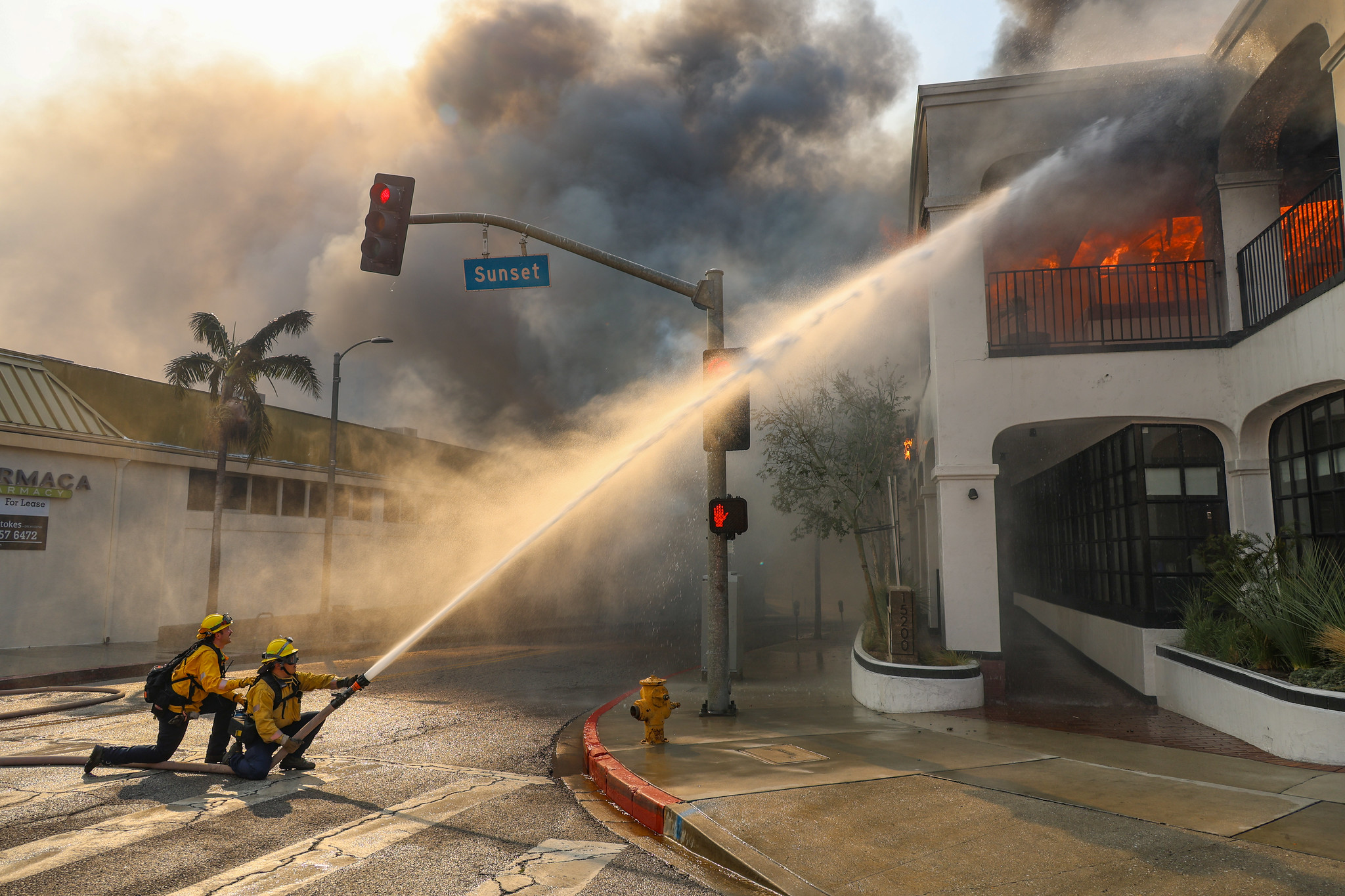
One year ago, beginning during the week of Jan. 6, 2025, fires broke out across the Los Angeles area with terrifying speed. The Palisades and Eaton fires became the defining tragedies, but CAL FIRE’s 2025 archive shows they were part of a wider cluster of Los Angeles-area incidents that week: the Palisades, Eaton, Hurst, Lidia, Woodley, Sunset, Kenneth, and Archer fires. Together, those eight named fires burned about 39,760 acres.
By the numbers: CAL FIRE lists the Palisades Fire at 23,448 acres, with 6,837 structures destroyed, 973 damaged, and 12 confirmed civilian fatalities. The Eaton Fire burned 14,021 acres, with 9,414 structures destroyed, 1,074 damaged, and 19 confirmed civilian fatalities. The Hurst Fire burned 799 acres and damaged two structures. Officially posted counts across those eight fires document 31 deaths, 16,251 structures destroyed, and at least 2,049 structures damaged; public incident pages for several of the smaller fires did not list additional life-loss or structure-loss totals.
One year later, this anniversary is not only about remembrance. It is about the long, uneven, exhausting work of recovery. Los Angeles County says it has overseen the fastest major debris cleanup in American history, with more than 2.5 million tons removed from more than 9,000 properties. In Pacific Palisades, the City says the first rebuilt home received its certificate of occupancy on Nov. 21, 2025, after a rebuilding process the Mayor’s office says is moving nearly three times faster than typical pre-fire single-family permitting, with more than 340 projects already in construction and more than 1,300 rebuilding plans approved. In West Altadena, Los Angeles County marked its first fully rebuilt home on Dec. 5, 2025.
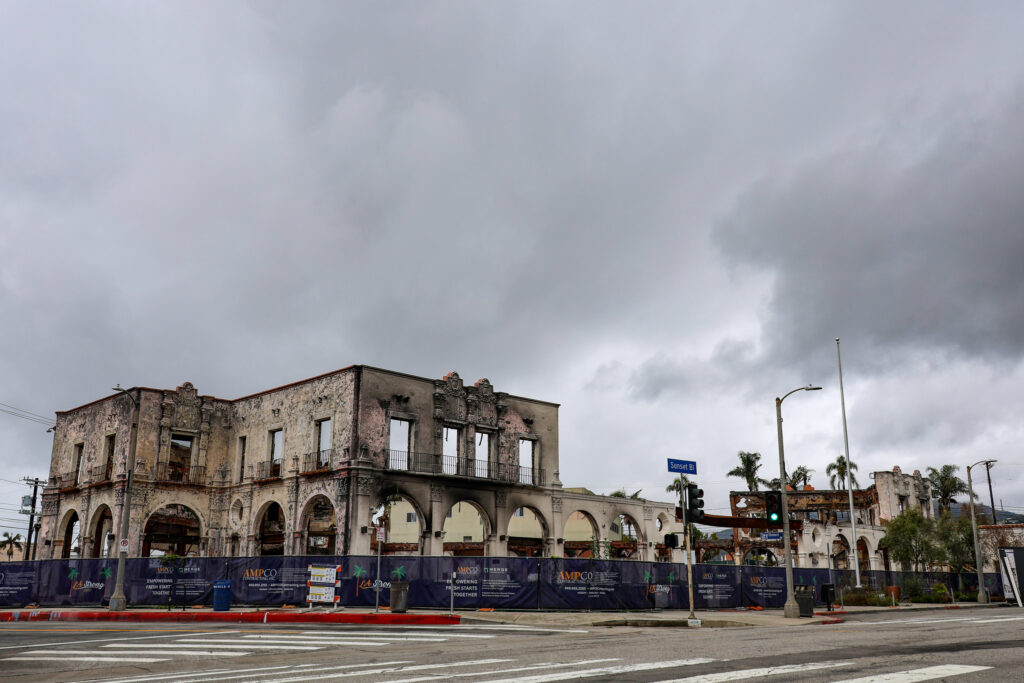
Much of the most meaningful recovery work has come from the community itself. The Palisades Recovery Coalition — is led by founder and president Maryam Zar and describes itself as a community-led effort guiding the neighborhood through post-wildfire recovery and long-term rebuilding. It has become a hub for town halls, community planning, advocacy with agencies and elected officials, and the push for a stronger, more resilient future shaped by residents themselves.
In Altadena, Joy Chen’s Eaton Fire Survivors Network has shown what survivor leadership looks like in real time. The California Community Foundation says the network began in the days after the fire as a rapid-response information hub for housing, clothing, and urgent needs, then expanded into insurance support and public accountability. The organization’s current site says that what began as the Eaton Fire Survivors Network now connects more than 10,000 survivors and allies across fire-impacted communities and helped unlock more than $100 million in delayed insurance payouts in its first year.
MySafe:LA’s role has been to stay with survivors after the cameras left. Through our wildfire website, Recovery & Resilience, 2025 Wildfire Recovery, and Recovery Resources pages, MySafe:LA has continued to track rebuilding, insurance navigation, emotional recovery, soil contamination concerns, and practical resilience steps for year two. MySafe:LA is developing a Year Two Recovery Handbook focused on stress management, documentation, insurance navigation, future wildfire seasons, and neighborhood resilience, while continuing its broader community resilience work through the L.A. Wildfire Resilience Alliance.
Still, no honest anniversary story can pretend the hardest problems are behind us. Los Angeles County opened an investigation into State Farm’s handling of wildfire claims after residents reported delays, underpayments, and denials. CalMatters reported that a year after the fires, seven in ten survivors had not yet returned home, and other reporting and survivor surveys found that many families discovered their homes were underinsured, with major gaps between insurance payouts and the actual cost of cleanup and rebuilding.